
When Is Knee Replacement Surgery Necessary? Signs You Should Not Ignore
Knee pain caused by arthritis or joint damage can gradually affect daily activities such as walking, climbing stairs, or standing for long periods. While many knee problems can be managed with non-surgical treatments, some patients eventually require knee replacement surgery to restore mobility and relieve long-term pain. Understanding when knee replacement surgery is necessary helps patients make informed decisions and avoid delaying treatment when surgery becomes the best option.
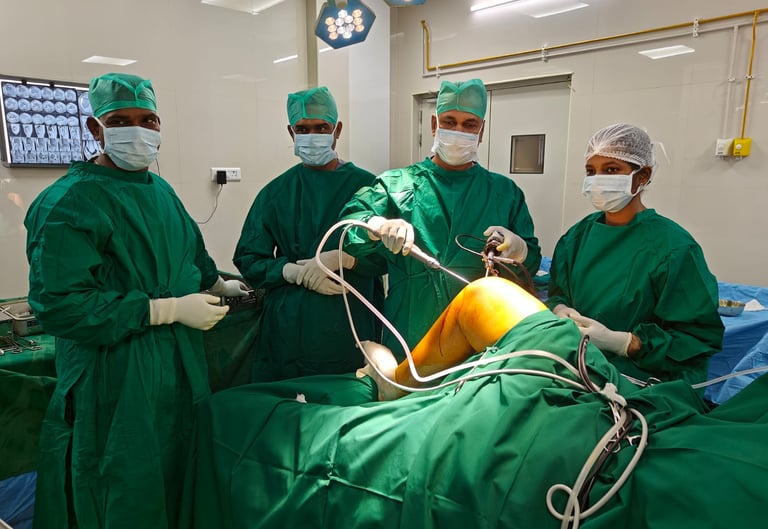
What Is Knee Replacement Surgery?
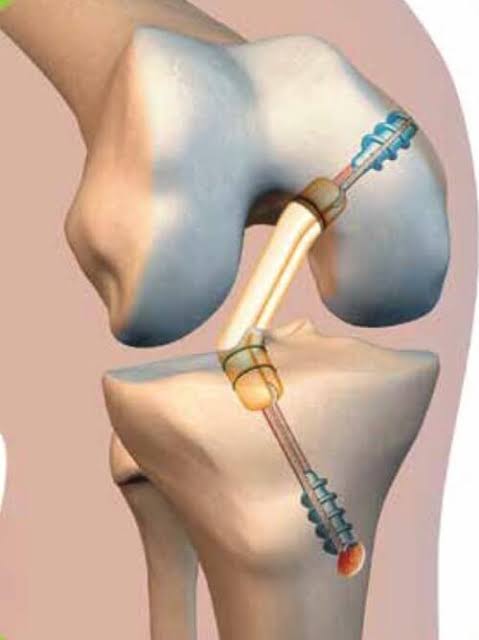
Knee replacement surgery is a procedure in which damaged or worn-out parts of the knee joint are replaced with artificial components. It is commonly recommended for patients with advanced knee arthritis or severe joint damage that does not respond to conservative treatment.
Patients from Madipakkam, Velachery, Pallikaranai, and nearby areas of Chennai often consider knee replacement when pain starts affecting their quality of life.
Common Conditions That May Require Knee Replacement
Knee replacement is usually advised for patients with:
Advanced osteoarthritis of the knee
Rheumatoid arthritis causing joint damage
Severe post-traumatic arthritis after injury
Chronic knee pain with joint deformity
Significant loss of knee movement
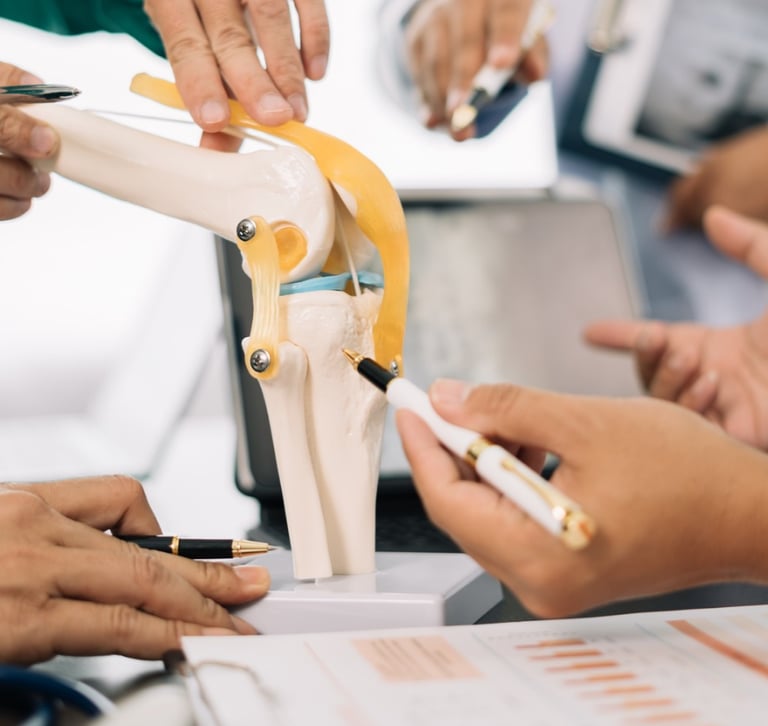
Signs That Knee Replacement Surgery May Be Necessary
You should consult an orthopedic specialist if you experience the following symptoms consistently.
1️⃣ Persistent Knee Pain
Pain that continues despite medication, physiotherapy, or injections and interferes with daily activities may indicate advanced joint damage.
2️⃣ Difficulty Walking or Standing
If knee pain makes it hard to walk short distances, climb stairs, or stand for routine tasks, surgery may be considered.
3️⃣ Reduced Knee Movement
Stiffness and inability to bend or straighten the knee fully are common signs of advanced arthritis.
4️⃣ Knee Deformity
Visible bowing or change in knee alignment can occur when joint damage progresses.
5️⃣ Poor Response to Non-Surgical Treatments
When treatments such as physiotherapy, pain medications, lifestyle modification, or injections no longer provide relief, knee replacement may be the next step.


When Knee Replacement Is NOT Immediately Required
Knee replacement is not the first option for most patients. Surgery may be postponed if:
Pain is mild or occasional
Symptoms improve with physiotherapy
Daily activities are not significantly affected
Joint damage is in early stages
An orthopedic doctor will always consider conservative options before recommending surgery.
Diagnosis Before Knee Replacement Surgery
An orthopedic specialist may evaluate:
Detailed clinical examination
X-rays to assess joint damage
MRI scans (if required)
Patient’s age, lifestyle, and activity level
This ensures surgery is recommended only when truly necessary.
Benefits of Timely Knee Replacement Surgery
When done at the right time, knee replacement surgery can:
Relieve chronic knee pain
Improve walking and mobility
Correct joint deformity
Enhance overall quality of life
Delaying surgery for too long may lead to muscle weakness and slower recovery.
When Should You See an Orthopedic Doctor?
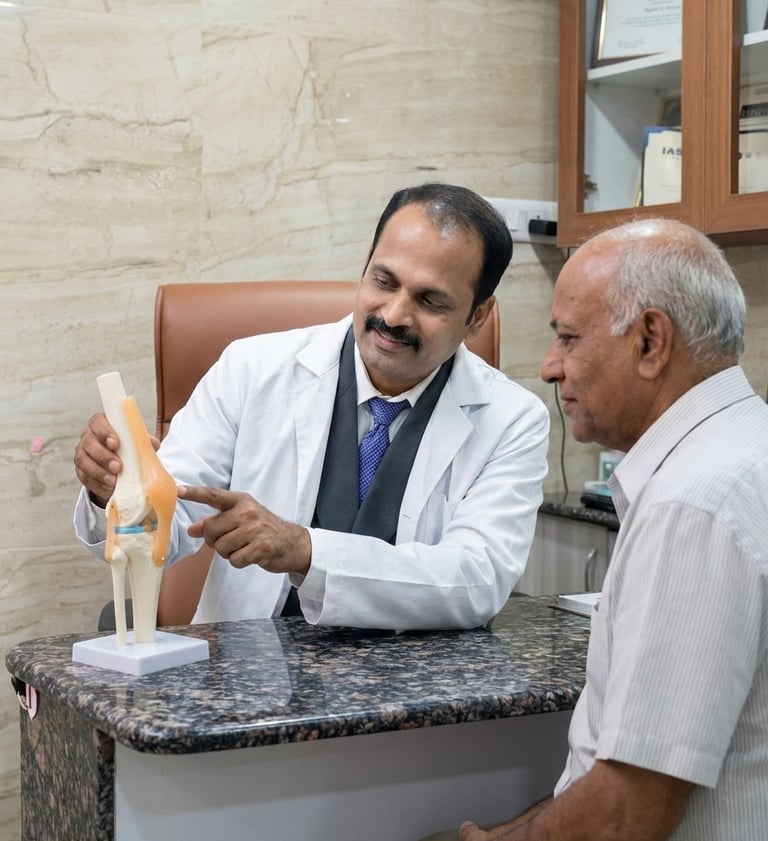
You should consult an orthopedic doctor if:
Knee pain persists for months
Pain affects sleep or daily activities
Walking distance is reducing
Non-surgical treatments no longer help
Early consultation allows better planning and outcomes.
Knee Replacement Care at Sivam Hospital Chennai.
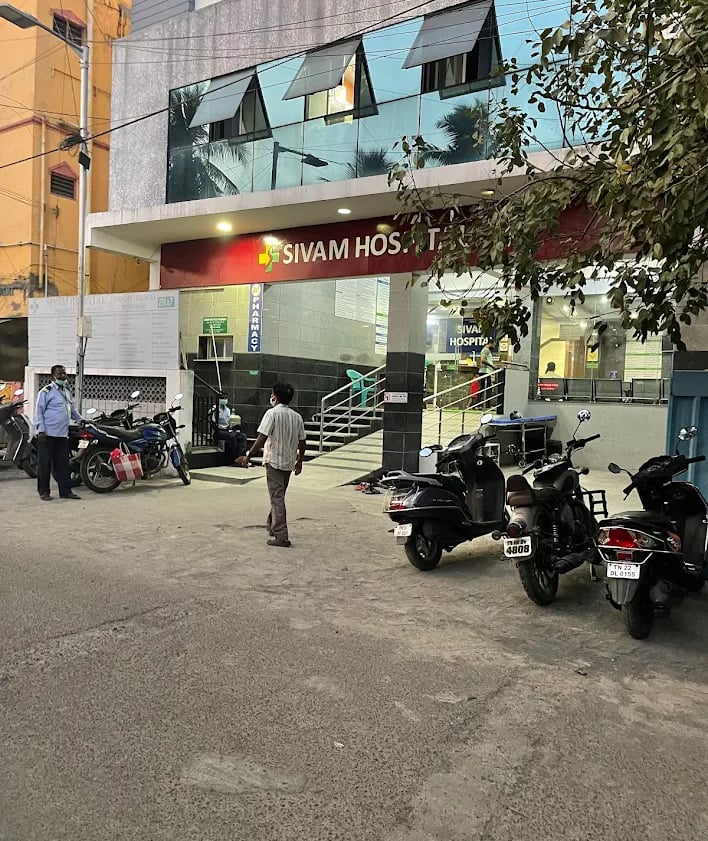
Sivam Hospital provides comprehensive orthopedic evaluation and knee replacement care for patients from Madipakkam, Velachery, Pallikaranai, Medavakkam, and surrounding areas of Chennai. Our orthopedic team focuses on accurate diagnosis, patient education, and personalized treatment plans to help patients regain mobility safely and confidently.
Conclusion
Knee replacement surgery becomes necessary when chronic knee pain and joint damage significantly affect daily life and no longer respond to conservative treatment. Recognizing the signs early and consulting an orthopedic specialist helps patients make timely decisions and achieve better long-term results.
Visit Sivam Hospital
Address
Plot No:3, Srinivasan Street, Jagadambal Colony, Ullagaram, Madipakkam, Chennai, Tamil Nadu 600091.
Website Powered By