
Difference Between Knee Pain and Ligament Injury – How to Identify the Real Problem
Understand the difference between knee pain and ligament injury, symptoms to watch for, and when to consult an orthopedic doctor.
Knee pain is a common complaint seen across all age groups. It may develop gradually due to daily activities or appear suddenly after an injury. Many people assume that any knee pain means a ligament injury, but this is not always true. General knee pain and ligament injuries are different conditions and require different approaches to treatment.
Understanding the difference between knee pain and a ligament injury helps in seeking timely care, avoiding complications, and ensuring proper recovery.
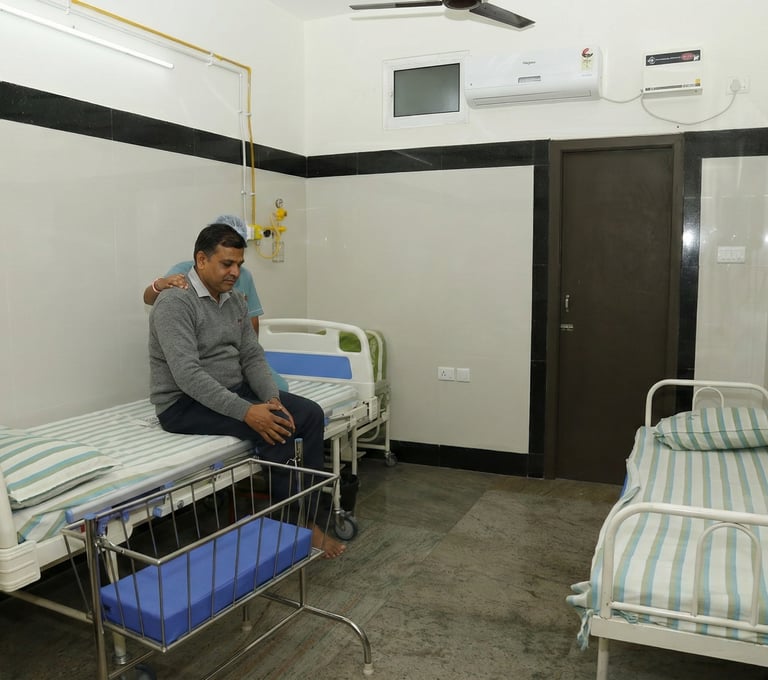
Difference Between Knee Pain and Ligament Injury – Understanding the Key Signs
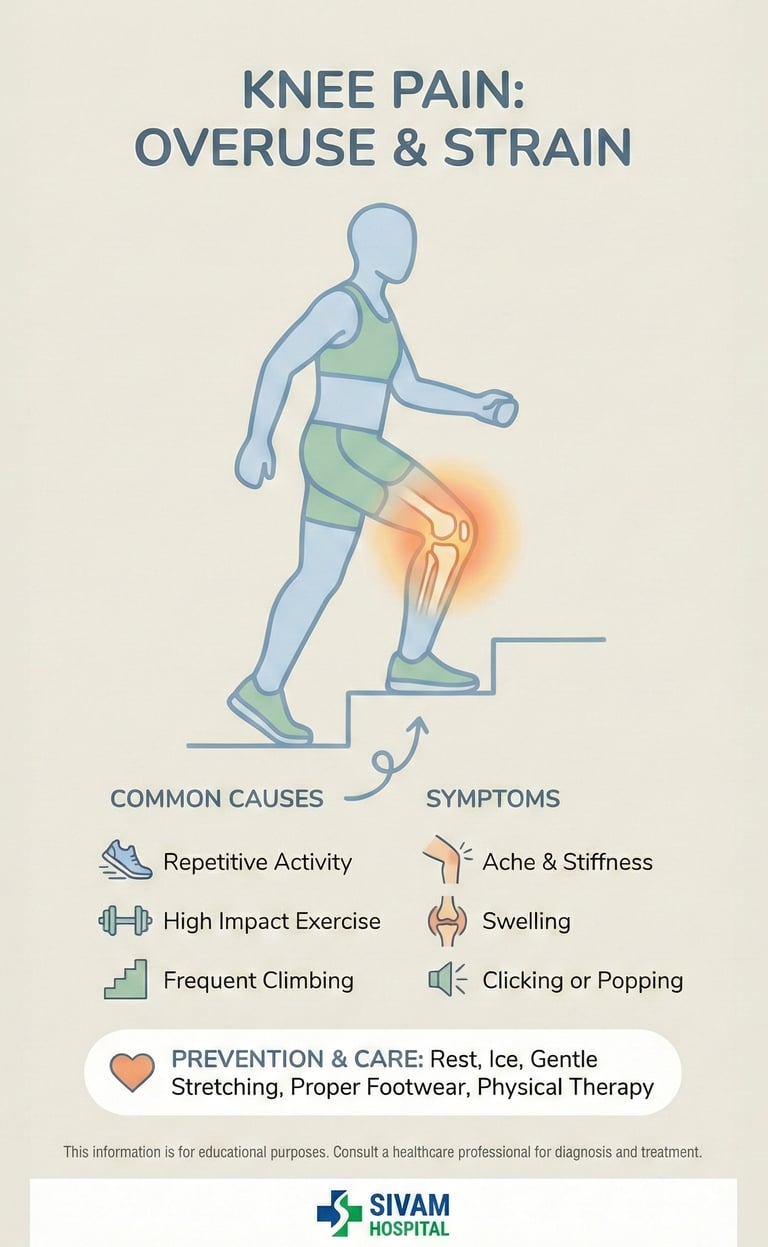
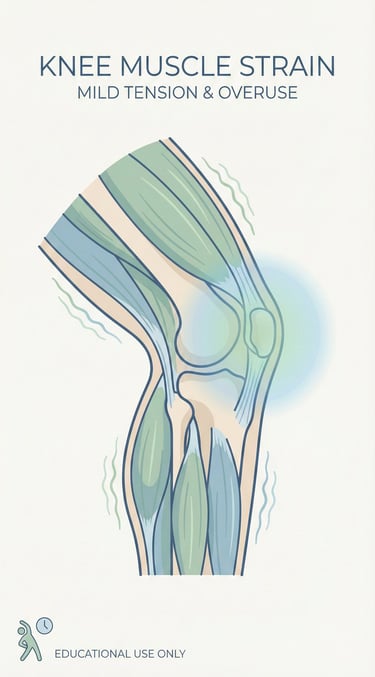
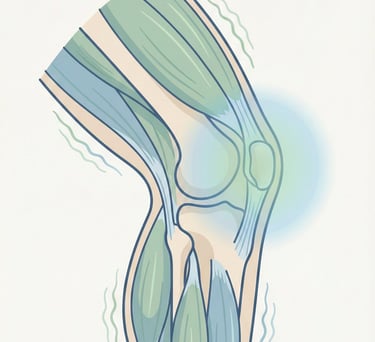
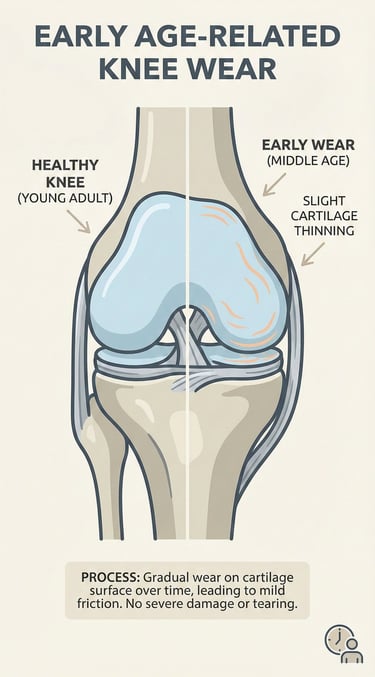
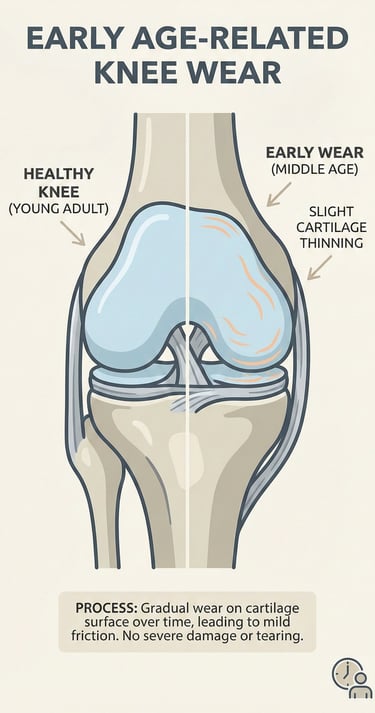
What Is General Knee Pain?
General knee pain refers to discomfort in or around the knee joint that is not necessarily caused by ligament damage. It is commonly related to lifestyle factors, muscle imbalance, or early joint wear.
Common causes of general knee pain include:
Overuse due to prolonged walking, standing, or stair climbing
Age-related joint wear (early-stage arthritis)
Muscle strain or weakness around the knee
Mild inflammation of surrounding tissues
Poor posture or incorrect exercise techniques
Typical characteristics of general knee pain:
Pain develops gradually over time
Discomfort increases with activity and improves with rest
Knee usually feels stable
Swelling, if present, is mild
In many cases, general knee pain improves with rest, physiotherapy, posture correction, and lifestyle modifications.
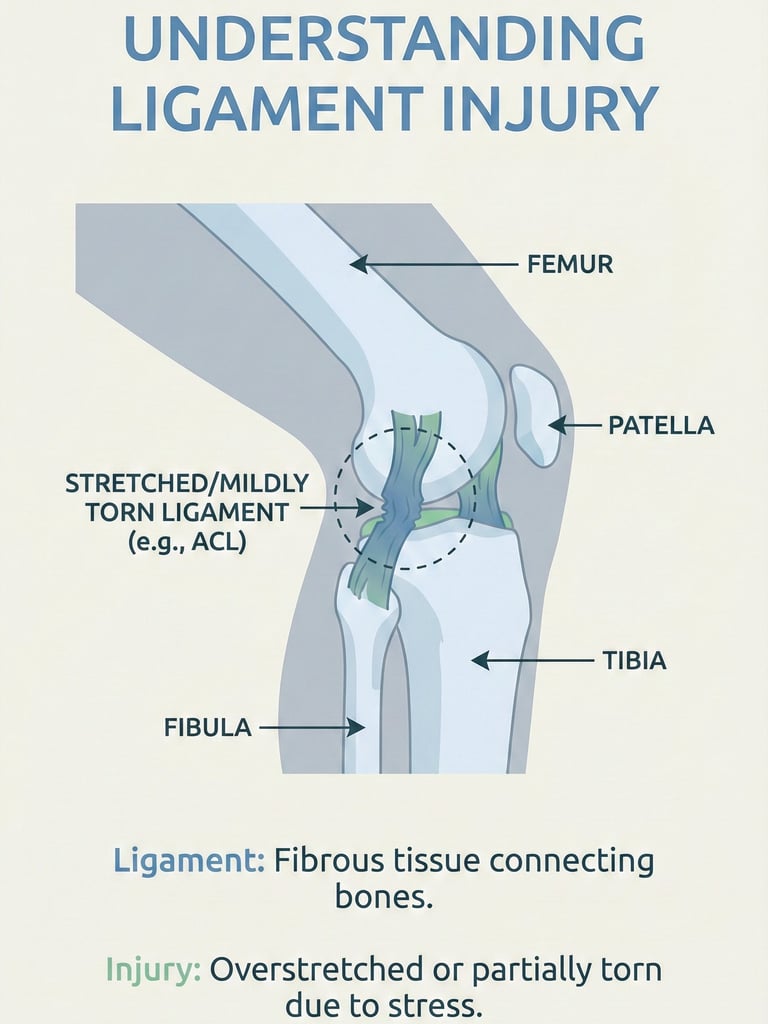
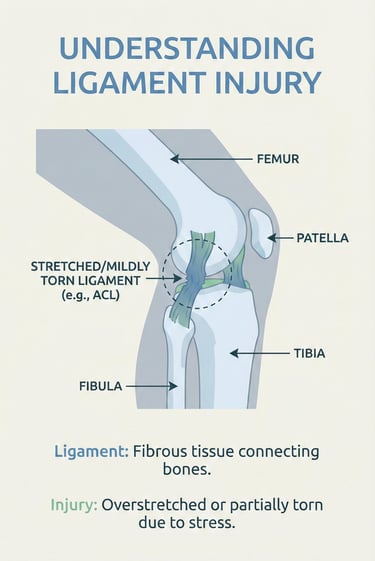
What Is a Ligament Injury?
Ligament injuries occur when the strong bands of tissue that stabilize the knee joint are stretched or torn. The knee has four major ligaments:
ACL (Anterior Cruciate Ligament)
PCL (Posterior Cruciate Ligament)
MCL (Medial Collateral Ligament)
LCL (Lateral Collateral Ligament)
Ligament injuries usually occur due to sudden force or trauma.
Common causes of ligament injury:
Sports involving twisting, jumping, or sudden stops
Falls or road traffic accidents
Direct impact to the knee
Typical characteristics of ligament injury:
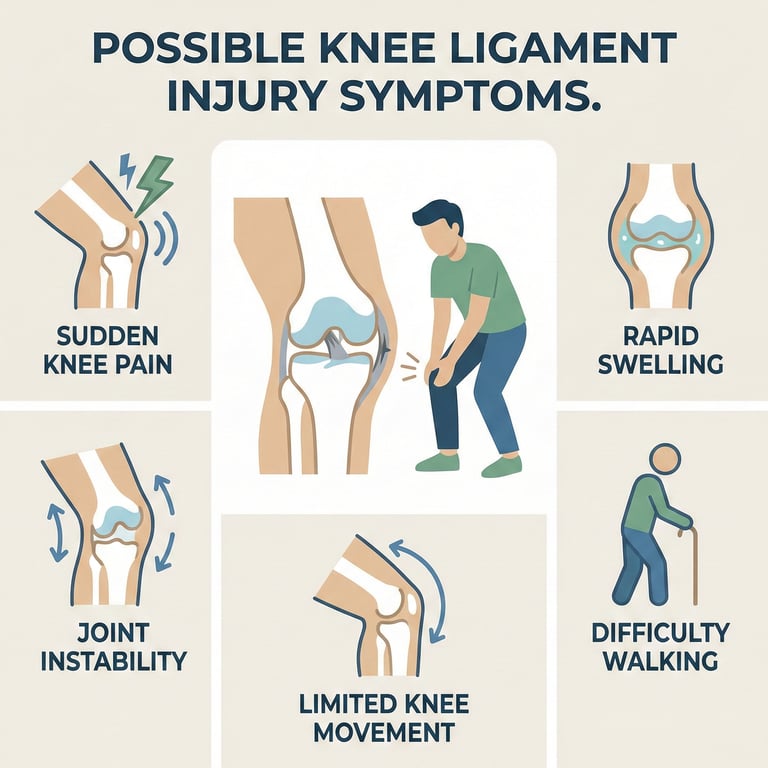
Sudden sharp pain at the time of injury
Swelling develops quickly
A popping or snapping sensation may be felt
Knee feels unstable or gives way
Difficulty bearing weight on the affected leg
Ligament injuries often require orthopedic evaluation and structured treatment.
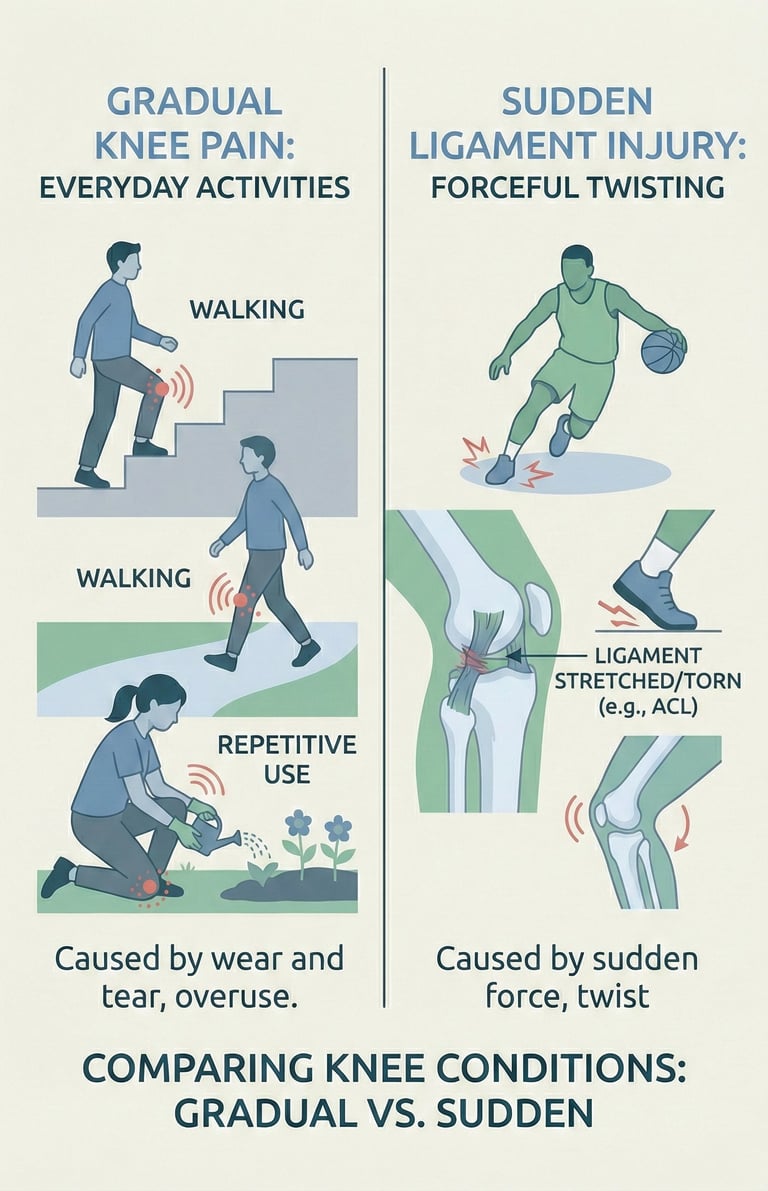
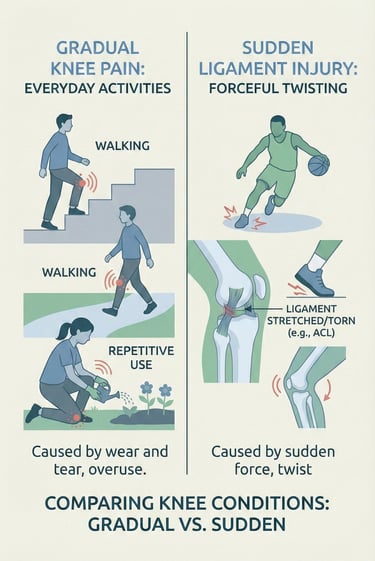
Key Differences Between Knee Pain and Ligament Injury
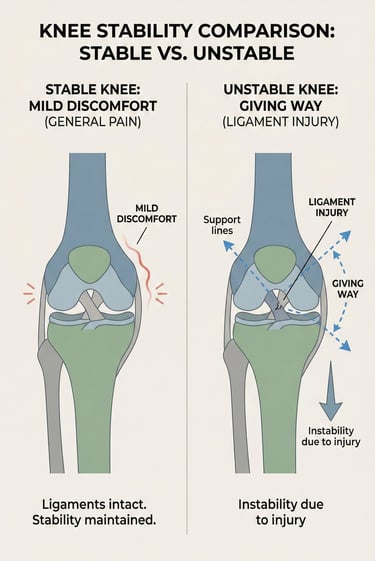
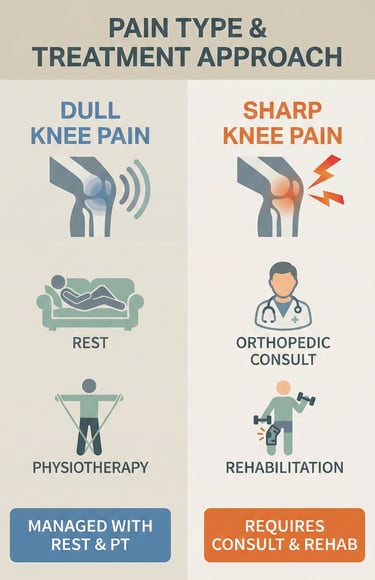
General knee pain usually develops gradually and is commonly caused by overuse, early arthritis, or muscle strain. Swelling is often mild or absent, and the knee generally feels stable, with pain described as dull or aching. In most cases, general knee pain improves with rest, physiotherapy, and lifestyle modification.
In contrast, a ligament injury typically occurs suddenly, often after trauma or sports-related activity. Swelling appears quickly and noticeably, and the knee may feel unstable or give way while standing or walking. Pain is usually sharp or severe, and treatment often requires orthopedic evaluation, structured rehabilitation, or, in some cases, surgery.
This comparison helps determine whether knee pain is due to a minor issue or a more serious ligament problem.
Symptoms That Suggest a Ligament Injury
You should consult an orthopedic doctor if you experience:
Sudden knee pain following an injury
Rapid swelling within a few hours
Instability while standing or walking
Difficulty bending or straightening the knee
Pain that does not improve with rest
Ignoring these symptoms may lead to long-term joint damage and reduced mobility.
Diagnosis and Treatment Approach
Diagnosis
An orthopedic specialist may recommend:
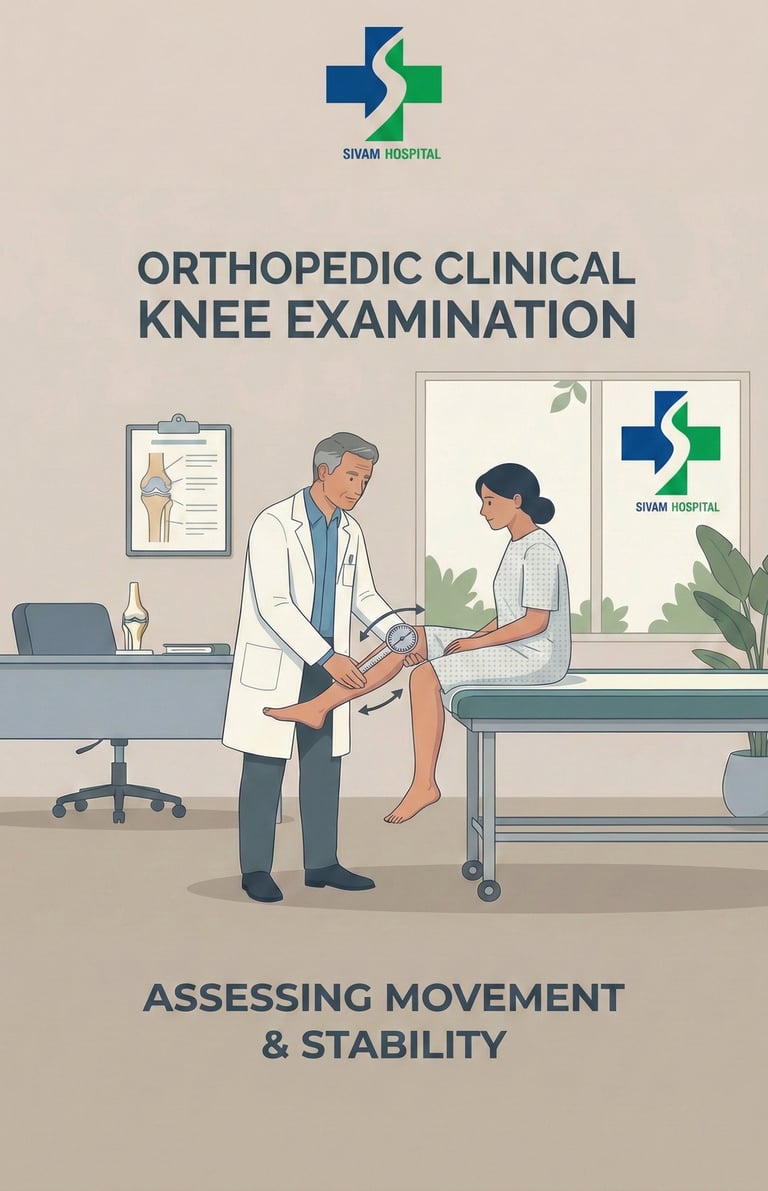
Detailed physical examination
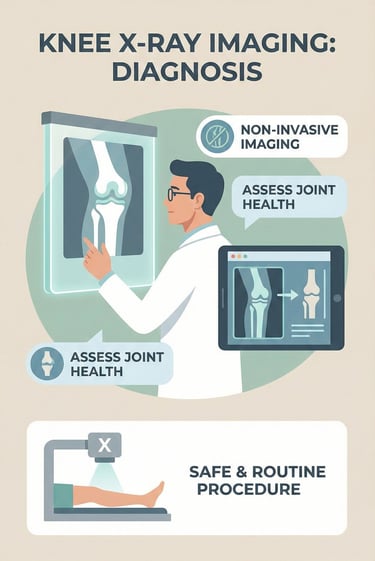
X-ray to rule out fractures
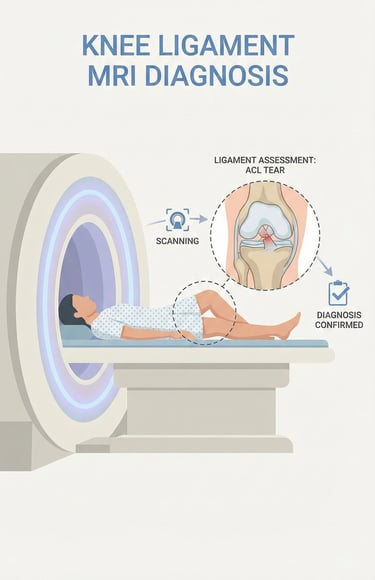
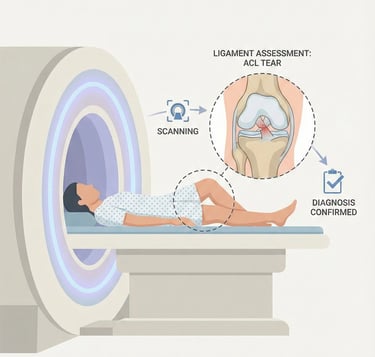
MRI scan to assess ligament damage, if required
Treatment
Treatment depends on the severity of the injury:
Mild ligament injuries may heal with physiotherapy and bracing
Moderate to severe injuries often require structured rehabilitation
Certain ligament tears may need surgical intervention
Early diagnosis plays a crucial role in successful recovery and long-term joint health.
When Should You See an Orthopedic Doctor?
You should consult an orthopedic doctor if:
Knee pain persists despite rest and home care
There is a history of injury or trauma
Swelling or instability is present
Pain affects daily activities or walking
Timely orthopedic consultation helps prevent complications and improves treatment outcomes.
Orthopedic Care at Sivam Hospital, Chennai
At Sivam Hospital, our orthopedic team provides comprehensive evaluation and treatment for knee pain and ligament injuries. We focus on accurate diagnosis, evidence-based treatment, and personalized care to help patients regain mobility, reduce pain, and return to daily activities safely.
Conclusion
Not all knee pain is caused by a ligament injury, but misunderstanding the difference can delay proper treatment. While general knee pain often improves with conservative care, ligament injuries usually require orthopedic evaluation and targeted management. Early consultation at Sivam Hospital helps patients from Madipakkam, Velachery, and Pallikaranai all over Chennai recover safely and return to daily activities without long-term joint problems.
Visit Sivam Hospital
Address
Plot No:3, Srinivasan Street, Jagadambal Colony, Ullagaram, Madipakkam, Chennai, Tamil Nadu 600091.
Website Powered By