
Knee Pain Causes and Treatment Options – When Should You See an Orthopedic Doctor?
Knee pain can affect your daily life if ignored. Learn the common causes of knee pain, available treatment options, and when it’s important to consult an orthopedic doctor for timely care and long-term joint health at Sivam Hospital.
Knee pain is one of the most common joint problems affecting people of all ages. It can develop suddenly due to an injury or gradually because of wear and tear. While mild knee pain may improve with rest, persistent or worsening pain should never be ignored. Early diagnosis and proper treatment can prevent long-term damage and improve mobility and quality of life.
This article explains the common causes of knee pain, available treatment options, and when it is important to consult an orthopedic doctor.
1. Arthritis
Arthritis is one of the leading causes of knee pain, especially in adults over 40.
Osteoarthritis: Caused by gradual cartilage wear
Rheumatoid arthritis: An autoimmune condition causing inflammation
Post-traumatic arthritis: Develops after knee injuries
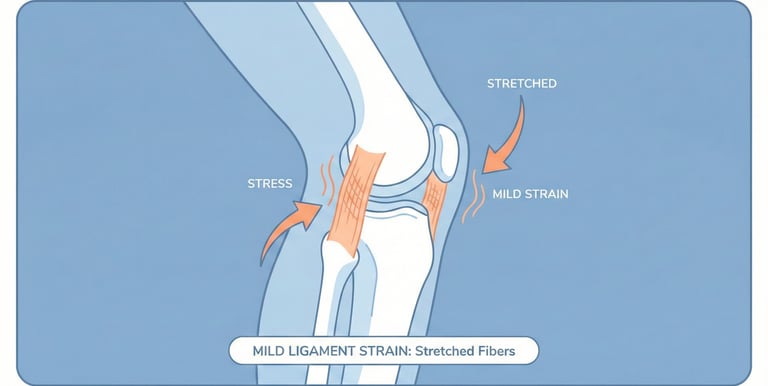
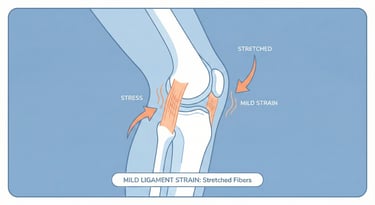
2. Ligament Injuries
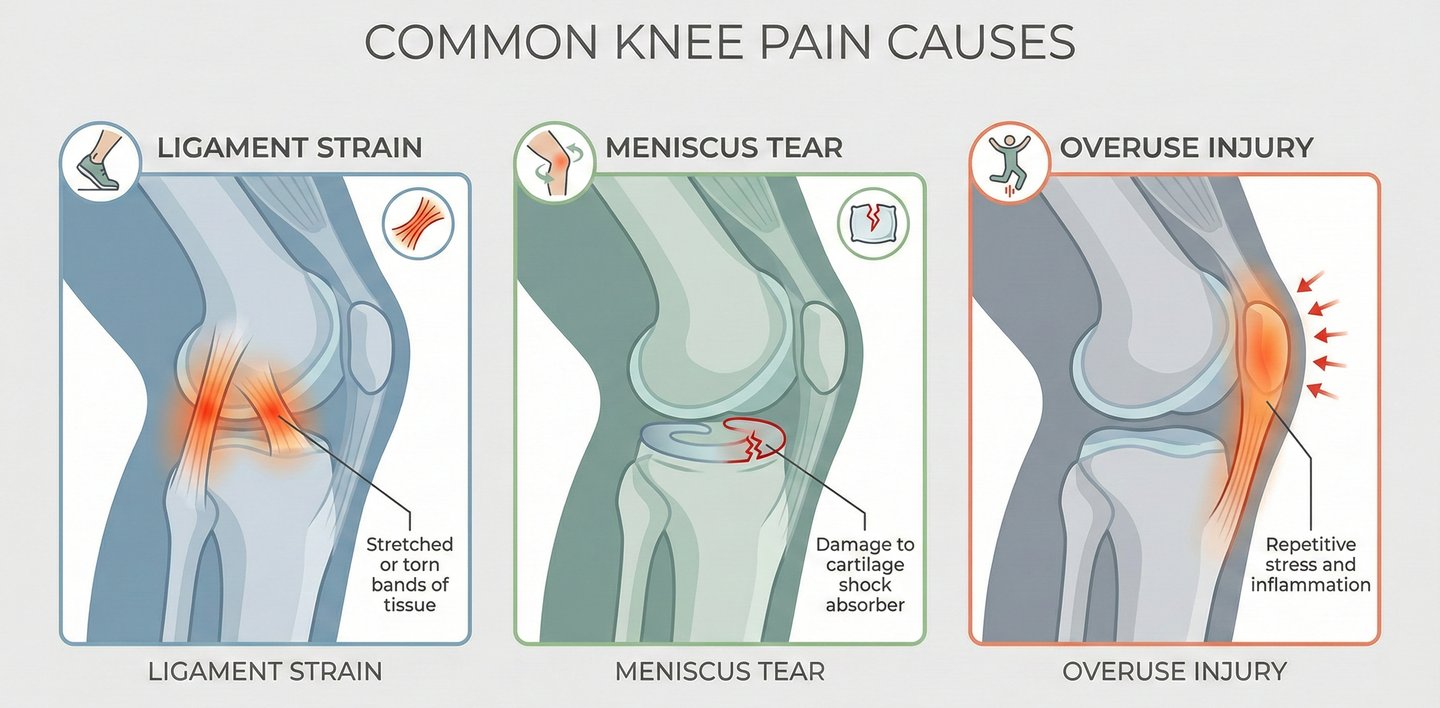
Injuries to ligaments such as the ACL, PCL, MCL, or LCL often occur due to sudden twisting or sports activities. These injuries can cause instability, swelling, and difficulty walking.
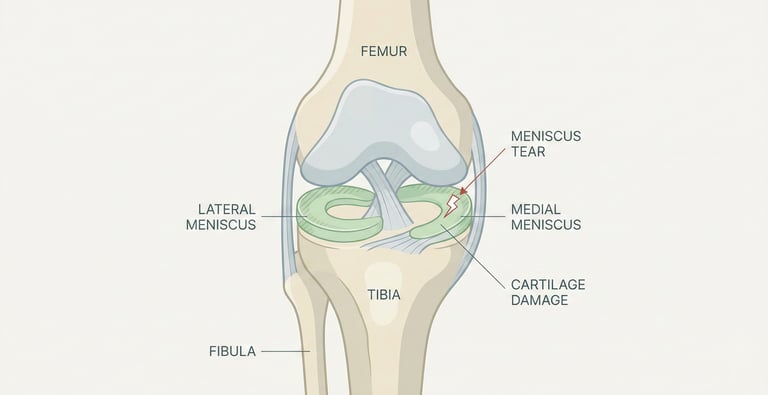
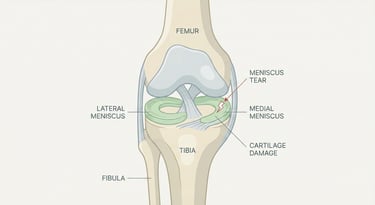
3. Meniscus Tear
The meniscus is a cartilage that cushions the knee joint. Tears can occur during sports or even during routine movements in older adults.
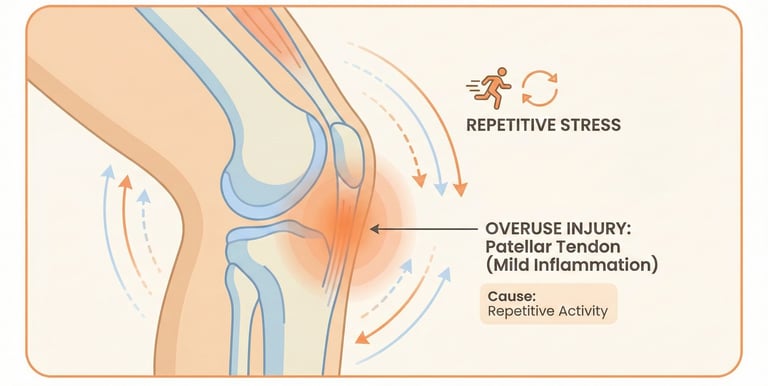
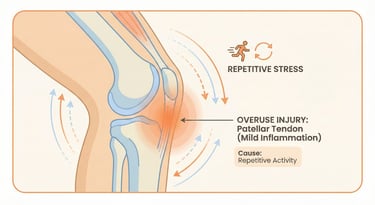
4. Knee Bursitis
Inflammation of the fluid-filled sacs around the knee can lead to pain, swelling, and stiffness, especially after prolonged kneeling or overuse.
5. Patellofemoral Pain Syndrome
Pain around or behind the kneecap is common in younger individuals and athletes. It often worsens while climbing stairs or sitting for long periods.
6. Fractures and Trauma
Accidents or falls can cause fractures around the knee joint, leading to severe pain and inability to bear weight.
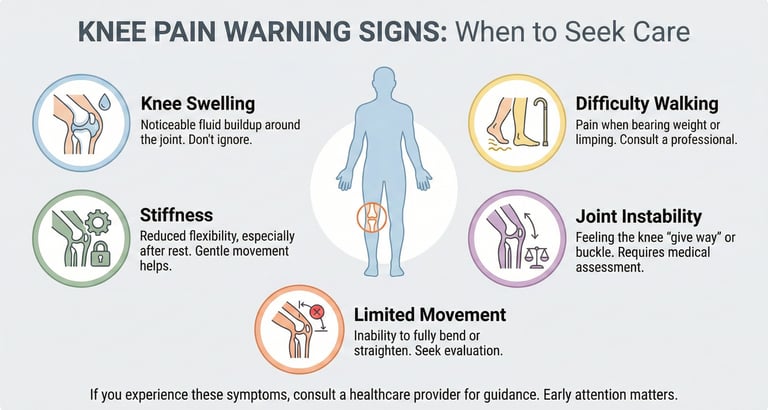
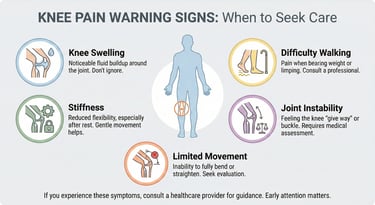
Symptoms That Should Not Be Ignored
You should pay attention to knee pain if you experience:
Persistent pain lasting more than a few days
Swelling or redness around the knee
Difficulty bending or straightening the leg
Clicking, locking, or instability of the knee
Pain while walking, climbing stairs, or standing up
Fever along with knee pain (may indicate infection)
These symptoms may indicate an underlying orthopedic condition that needs medical attention.
Treatment Options for Knee Pain
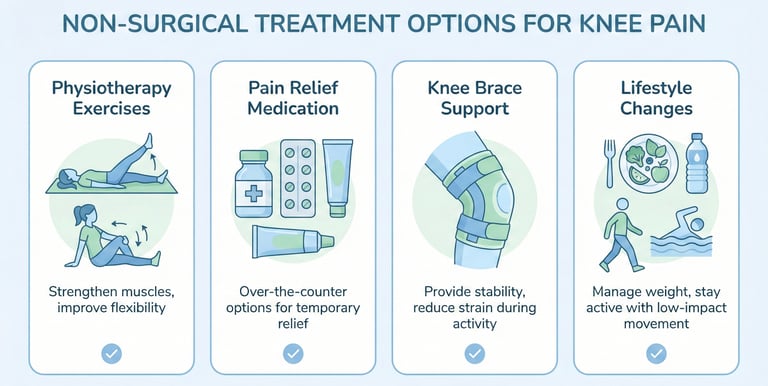
1. Non-Surgical Treatments
Many knee conditions can be managed without surgery:
Rest and activity modification
Physiotherapy and strengthening exercises
Pain relief medications
Anti-inflammatory medications
Knee braces or supports
Lifestyle changes such as weight management
2. Injection-Based Treatments
For certain conditions, doctors may recommend:
Corticosteroid injections to reduce inflammation
Viscosupplementation injections for arthritis-related pain
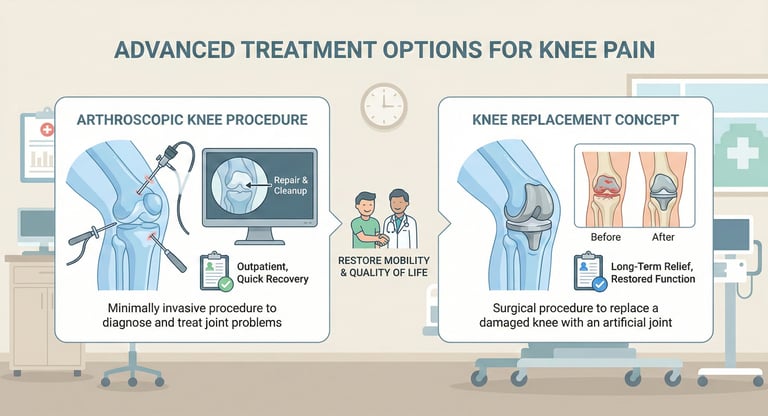
3. Surgical Treatments
Surgery may be considered if conservative treatments fail:
Arthroscopic surgery for ligament or meniscus injuries
Ligament reconstruction
Partial or total knee replacement for advanced arthritis
An orthopedic specialist will guide the patient on the most suitable option.
Treatment depends on the cause, severity, age, and activity level of the patient.
When Should You See an Orthopedic Doctor?
Consult an orthopedic doctor if knee pain:
Affects daily activities
Does not improve with rest
Follows an injury or trauma
Causes instability or worsening discomfort
Early consultation helps prevent complications and improves recovery.
Why Early Treatment Matters
Ignoring knee pain may lead to:
Joint damage
Reduced mobility
Long-term pain
More complex treatment later
Early diagnosis often allows simpler, non-surgical care.
Orthopedic Care at Sivam Hospital
At Sivam Hospital, our orthopedic care focuses on accurate diagnosis, evidence-based treatment, and personalized care for knee pain and joint disorders. Our team manages a wide range of orthopedic conditions, from early-stage knee pain to advanced joint problems, with a patient-first approach.
Frequently Asked Questions (FAQs)
Is knee pain normal with age?
Mild discomfort can occur with age, but persistent pain is not normal and should be evaluated.
Can knee pain be treated without surgery?
Yes. Many knee problems improve with physiotherapy, medication, and lifestyle changes.
How long does knee pain treatment take?
Recovery time depends on the cause and severity. Some conditions improve in weeks, while others require longer care.
When is knee replacement necessary?
Knee replacement is considered when severe arthritis causes continuous pain and limits daily activities despite non-surgical treatment.
Visit Sivam Hospital
Address
Plot No:3, Srinivasan Street, Jagadambal Colony, Ullagaram, Madipakkam, Chennai, Tamil Nadu 600091.
Website Powered By